
Taking Care of Paws
If you are a proud dog owner, you know that taking care of your companion animal’s nails is an essential part of their overall grooming routine. However, did you know that dogs have different types of nails? Understanding the different nail types and their unique characteristics can help you provide better care for your canine friend.
Understanding the Basics of Dog Nails
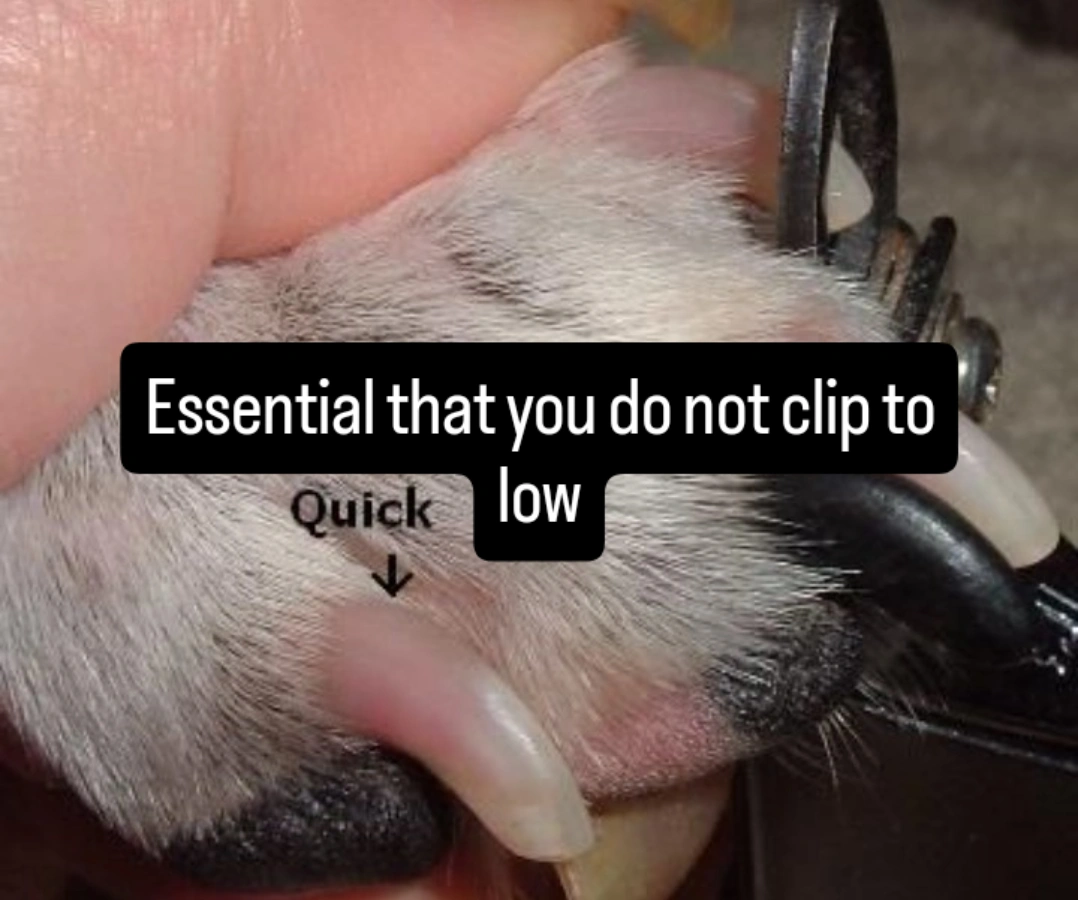
A dog’s nail is composed of several components, including the nail bed, quick, and outer covering. The nail bed is the sensitive area beneath the nail that contains blood vessels and nerve endings. The quick is the living tissue within the nail bed that provides nutrients to the nail. The outer covering is the hard shell that protects the sensitive parts from damage.
When it comes to dog nails, there is more than meets the eye. While they may seem like simple structures, they play a vital role in a dog’s overall well-being. Understanding the anatomy and purpose of dog nails can help you better care for your pet and ensure their comfort and health.
The Anatomy of a Dog’s Nail
To truly comprehend the different types of dog nails, it is essential to understand nail structure.
A typical dog nail consists of the quick, which starts at the base of the nail and extends towards the tip. The quick is surrounded by the hard outer shell, which is made up of keratin. Keratin is the same protein that makes up our hair and nails, providing strength and durability.
But the anatomy of a dog’s nail goes beyond the quick and outer shell. The nail bed, located beneath the nail, is a highly sensitive area. It contains an intricate network of blood vessels and nerve endings, making it essential for providing nutrients and sensory information to the nail. The nail bed is responsible for the growth and maintenance of the nail, ensuring its health and functionality.
Additionally, the outer covering of a dog’s nail serves as a protective shield. It shields the underlying sensitive parts from potential harm, such as sharp objects or rough surfaces. This outer covering is not only sturdy, but also acts as a barrier against infections and injuries.
The Purpose of Dog Nails
Dog nails serve various functions, each contributing to a dog’s overall well-being.
One of the primary purposes of dog nails is to provide traction on different surfaces. Whether it’s walking on slippery floors or running on uneven terrain, nails help dogs maintain stability and prevent slips and falls. The outer covering of the nail, with its textured surface, acts as a grip, allowing dogs to navigate various environments with confidence.
In addition to traction, dog nails enable dogs to engage in natural behaviours such as digging. Dogs have an innate instinct to dig, whether it’s for burying treasures or creating a cosy spot to rest. Nails play a crucial role in this behaviour, allowing dogs to effectively dig through soil, sand, or other surfaces.
Furthermore, dog nails contribute to a dog’s agility and athleticism. When dogs run or jump, their nails provide stability and support, helping them maintain balance and control. Without properly maintained nails, dogs may experience discomfort or even injuries during physical activities.
Interestingly, a dogs nails are not just functional, but also play a role in their sensory perception. Nails are packed with nerve endings, making them highly sensitive to touch. This sensitivity allows dogs to gather information about their surroundings, enhancing their sense of touch and awareness. Dogs may use their nails to explore objects, communicate with other dogs, or even defend themselves if necessary.
In conclusion, dog nails are more than just a cosmetic feature. They are intricate structures with a specific purpose. Understanding their anatomy and function can help you provide the necessary care and maintenance for your dog’s nails, ensuring their overall comfort and well-being.
Identifying Different Types of Dog Nails
Each type of nail has its own unique characteristics and may require specialized care.
Dewclaws: The Thumb of Dog Nails
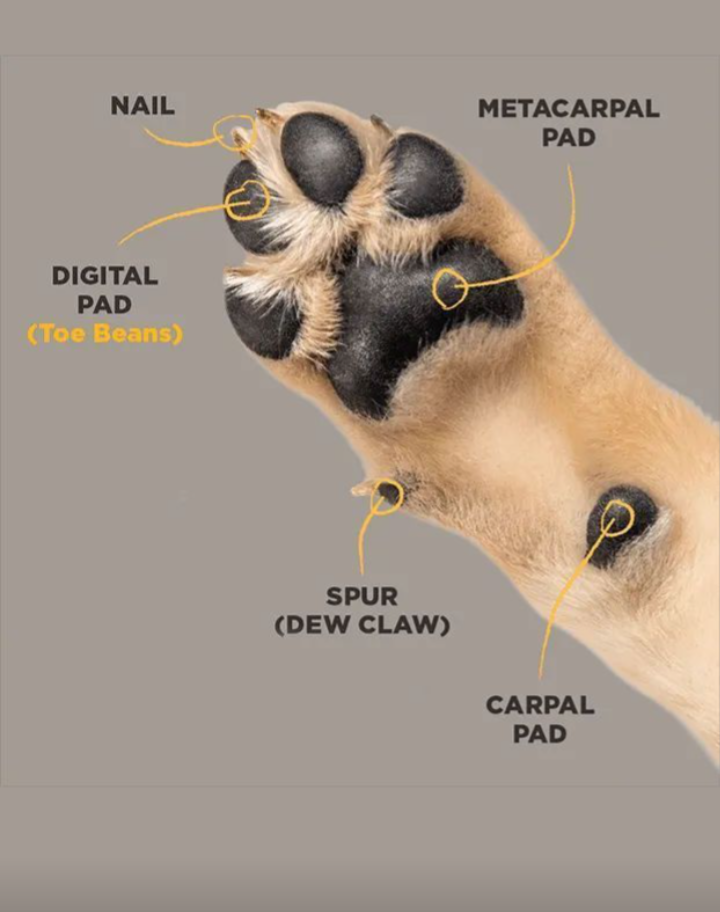
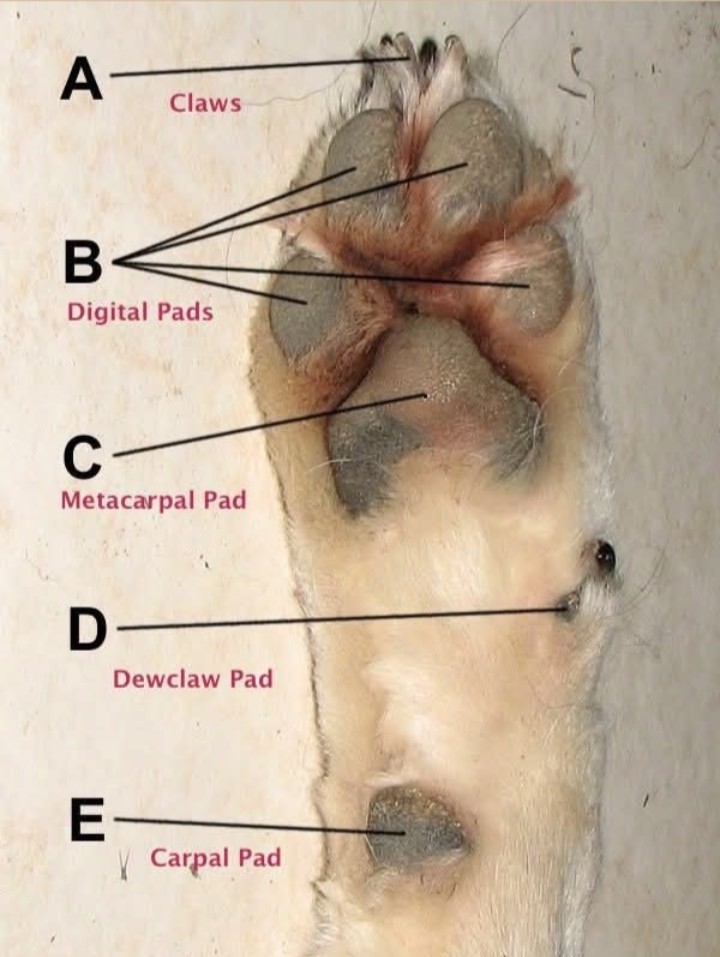
One of the most distinctive nail types in dogs is the dewclaw. Dewclaws are located on the inner side of a dog’s leg, and dogs can have them on their front and/or hind legs. While some breeds have fully formed dewclaws with a structure similar to other nails, others have vestigial dewclaws that may not touch the ground. It’s important to regularly check dewclaws for proper length and any signs of injury or overgrowth.
Thick Nails vs. Thin Nails: A Comparative Analysis
Besides colour, another key characteristic of dog nails is their thickness. Some dogs have thick nails, while others have thin nails. Thick nails can be more difficult to trim, potentially requiring stronger clippers or rotary tools. On the other hand, thin nails are more delicate and prone to over-trimming or splitting.
The Impact of Breed on Nail Type
It’s essential to note that the type of nails a dog has can be influenced by their breed. Different breeds have distinctive nail characteristics, which may require specific care regimens. Let’s delve deeper into the impact of breed on nail type.
Breed-Specific Nail Characteristics
Some breeds are more prone to specific nail characteristics. For example, certain breeds, such as the Great Pyrenees and Saint Bernard, often have double dewclaws. Breeds like the Dachshund may have shorter and thicker nails due to their body structure. By researching your dog’s breed, you can get valuable insights into their specific nail care needs.
Common Dog Nail Problems and Their Causes
Like humans, dogs can experience various nail problems. Recognizing the symptoms and understanding the causes of these problems is crucial for prompt and effective treatment. Let’s explore some common dog nail problems and their underlying causes.
Nail Disorders in Dogs
Dogs can develop nail disorders, such as onychomycosis (nail fungal infection), onychogryphosis (overgrown nails), and onychoschizia (brittle nails). These disorders can result from various factors, including fungal or bacterial infections, nutritional deficiencies, or underlying health conditions. Identifying the signs of these disorders is vital for seeking appropriate veterinary care.
Nail Infections and Their Symptoms
In addition to nail disorders, dogs can also suffer from nail infections, such as paronychia (infection around the nail) or onychitis (infection within the nail). These infections can occur due to trauma, foreign objects lodged in the nail, or bacterial invasion. Symptoms may include swelling, redness, pain, discharge, and an unpleasant odour. Prompt veterinary attention is necessary to prevent the infection from spreading or becoming chronic.
The Importance of Regular Nail Care
Now that we’ve covered the different nail types and common problems, let’s emphasize the importance of regular nail care for your dog’s overall health and well-being.
The Role of Nail Trimming in Dog Health
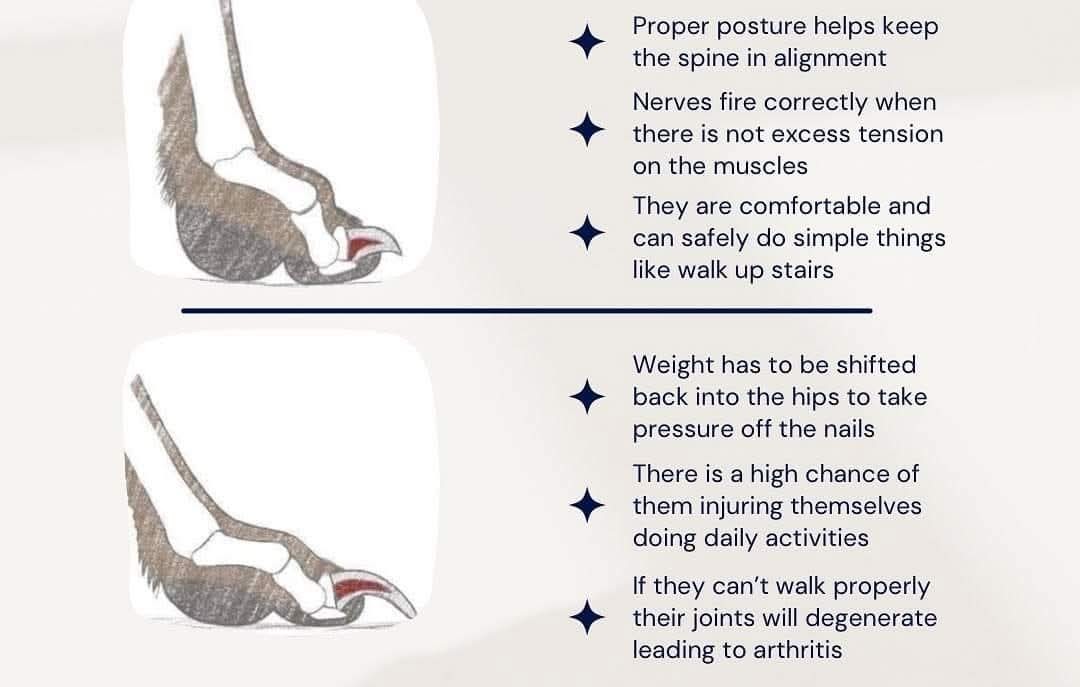
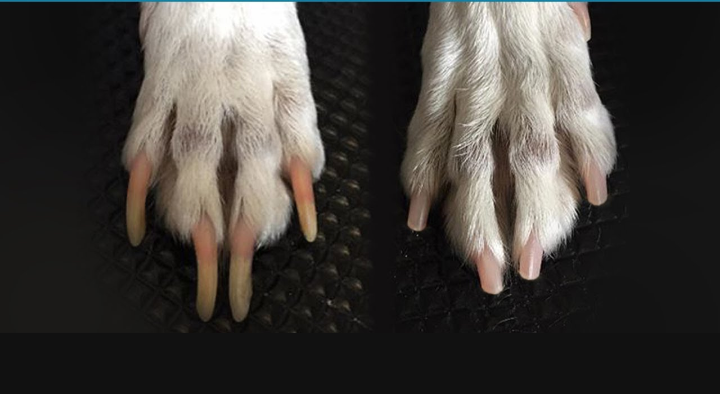
Nail trimming is a critical aspect of dog grooming and health maintenance. Overgrown nails can lead to discomfort, pain, and difficulty walking or running. If left untrimmed, nails may even grow into the paw pads, causing severe pain and infection. Regular nail trimming helps prevent these issues and contributes to your dog’s overall comfort and mobility.
By understanding the different types of dog nails, their characteristics, and their proper care, you can ensure that your canine companion’s nails stay healthy and well-maintained. Regular nail care not only contributes to their overall comfort, but also helps prevent various nail problems that can affect their quality of life. So, make nail care a part of your dog’s routine and enjoy watching them thrive with happy and healthy paws.
Gallery


© Copyright 2025, Maz Desouza.
All rights reserved.